What Causes Anxiety?
What Causes Anxiety Disorders?
There are many factors and reasons as to what causes anxiety. We all know stress plays a major role and that panic and anxiety attacks occur during different stressful situations.
Anxiety is a general term that covers several mental disorders. Stress and worry, nervousness and fear are all interrelated.
Not only do these factors affect us emotionally, but they can also affect a person physically and these symptoms are very real.
I have discussed in previous articles how it affects everyone at different times, such as with school exams, meeting new people socially or having to perform in front of people.
What causes anxiety for those who suffer with this disorder all the time?
A publication written by the Australian Department of Health and Aging states that:
The causes of a particular disorder vary, and it is not always easy to determine a cause in every case.
Genetic factors
It is well established that the tendency to develop anxiety disorders runs in families. This is similar to a predisposition to other illnesses, such as diabetes and heart disease.People may also learn anxious responses from parents or other family members.
Biochemical factors
Some anxiety disorders may be related, in part, to a chemical imbalance in the brain. The neurotransmitter that regulates feelings and physical reactions may be involved.Temperament
People with certain temperaments are more prone to anxiety disorders.People who are easily aroused and upset, and are very sensitive and emotional, are more likely to develop anxiety disorders.
People who as children were inhibited and shy may be prone to develop certain anxiety disorders, such as social phobia. Read More
Natural Therapy Pages also agree as to what causes anxiety, as to possible genetic factors being involved.
Fear can be triggered by external objects or situations. Our reaction to fear manifests in anxiety, an internal vague feelings that “something bad is going to happen”. Our internal, negative self-talk supports our feelings that the “worst is going to happen”.
Environmental factors that can cause anxiety include trauma, such as abuse, death of loved ones, money worries, personal relationship issues and stressors from your daily personal and professional life.
Anxiety can occur in people experiencing a medical crisis, such as a chronic or long-term illness. As the person experiences the trauma of the illness, he or she starts imagining the pain or trauma will continue or become worse.
Genetics factors can cause anxiety. Studies show that a family history of anxiety increases the chance that a person will also develop anxiety.
Anxiety can also occur with mental health problems. The problem becomes worse when substances are used to hide the underlying pain of anxiety. When the pain of anxiety heightens, a person could experience depression or can lead to self-medication with alcohol and drugs.
Whatever the reasons as to what causes anxiety, whether it be your own issues or your friends or family, they are ‘real’ issues. I certainly have my own…do you? Let me know in the comments below and if you feel this article could be of benefit to others, please click to share.
Natural Social Anxiety Treatment Methods
Natural Remedies For Overcoming Social Anxiety Disorders
There is a fine line between shyness and social anxiety disorder and once you cross that line, you may find help with natural social anxiety treatments. Before you start contemplating using any anxiety treatment to overcome social anxiety, you should first determine whether you do have a disorder or are simply suffering from extreme shyness. Here are some of the common social anxiety symptoms that you may want to look out for:
- Constant fear of being ridiculed
- Frightened of being teased, especially in public
- Fear of meeting people
- Fear of having the main focus centered on you
- Extreme nervousness when meeting people of authority
- Being unable to function properly when someone is watching your every move
- Dislike attending any social gatherings
- Avoiding being in relationships, either with friends or romantically.
If you have been experiencing any or all of the signs mentioned above, it’s very likely that you could well be, be suffering from social anxiety disorder.
This disorder is actually much more common than you might think. In fact I am someone who has suffered with it since as early as I can remember. There is help available and I am living testament that you can overcome social anxiety disorder naturally!
More importantly, there are plenty of effective natural social anxiety treatments that can help you conquer the fears you are feeling. You do not have to feel alone and afraid or worse…afraid to be with people so you are not alone.
Natural Treatments – Therapy and Herbal Remedies
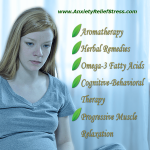
Most psychiatrists agree that natural treatments are the best remedy for social anxiety. For example, cognitive behavior therapy is viewed by many as an excellent treatment because it does not involve the use of any anxiety medications and is not invasive at all – and of course, does not cause any negative side effects. It helps a patient conquer social anxiety through positive thinking, encouragement and motivation.
With regular sessions, cognitive-behavior therapy can not only get rid of a social anxiety disorder but it can also promote an optimistic outlook on life and other long-term positive changes in your attitude and way of thinking.
Medications are another common type of social anxiety treatment, although many of them do cause negative side effects. Therefore if medications are required, perhaps natural remedies or a herbal remedy for social anxiety may be your preferred option. Social anxiety medications are often used alongside other forms of treatment such as therapy and counseling. Medications are not used as a way to cure social anxiety but instead they only to help control the anxiety while another treatment is being undertaken.
Therapy remains to be the most recommended primary form of social anxiety treatment because this deals with the root of the problem and helps you control your symptoms and fears. Therapy sessions can be conducted by licensed professionals for overcoming social anxiety, although there are also self help programs available, if you are happy to follow the therapy techniques in the privacy of your own home.